
- Что такое цикл PDCA
- Преимущества и недостатки цикла PDCA
- Пример цикла PDCA – Nestlé
- Пример цикла PDCA – Nike
- Пример цикла PDCA – Lockheed Martin
- Примеры цикла PDCA – Клиника Майо
- Пример цикла PDCA в образовании
- Как написать цикл PDCA
- Операционное совершенство
- Примеры цикла PDCA
- Четыре этапа цикла PDCA
- Проверка
- Действие
- Постоянное улучшение
- Принятие решений на основе данных
- Коллаборация в команде
- Стандартизация и документирование
- Организационное обучение
- Проблемы цикла PDCA
- Интеграция цикла PDCA в ваши бизнес-процессы
- Происхождение цикла PDCA
- Steps of the PDCA cycle
- For which types of problems is the PDCA cycle suitable?
- Using PDCA in innovation
- Plan
- Main difference between PDCA and other problem-solving methods
- Introduction to PDCA (Plan Do Check Act)
- The Origins of PDCA
- Understanding the PDCA Cycle
- Benefits of Using PDCA for Problem-Solving
- The A3 Problem-Solving Methodology
- Common Challenges When Implementing PDCA
- Tips for Effective PDCA Implementation
- The Importance of Using PDCA for Business Success
- What is the PDCA Cycle?
- Stages of PDCA
- Importance of Plan Do Check Act Cycle
- Explore our Free PDCA Templates
- PDCA Example
- Monitor PDCA Cycle with SafetyCulture (formerly iAuditor)
- Where did the idea of the PDCA cycle come from?
- Definition of the PDCA cycle
- Sequence of the PDCA cycle
Что такое цикл PDCA
Цикл PDCA (План-Делай-Проверь-Действуй) – это стратегия непрерывного улучшения, которая используется для усовершенствования процессов и внедрения изменений. Это эффективный метод выявления, оценки и разрешения бизнес-проблем. Команда использует цикл PDCA для осуществления непрерывного итеративного улучшения и оптимизации процессов.
Этот метод в основном используется, когда вы хотите разработать новый бизнес-процесс, улучшить рутинный рабочий процесс, итерироваться над изменениями, решить проблему или опробовать стратегии решения.
Элементы цикла PDCA:
Преимущества и недостатки цикла PDCA
Вот несколько примеров PDCA популярных компаний, которые по-прежнему могут оставаться актуальными на рынке, несмотря на тренды и конкуренцию.
Пример цикла PDCA – Nestlé
Это международная компания с штаб-квартирой в Швейцарии, известная как одна из крупнейших пищевых компаний в мире. Она производит широкий ассортимент продуктов, таких как молочные продукты, хлопья, кофе, корма для животных, детское питание, бутилированная вода и т. д.
Цикл PDCA Nestlé: возникла потребность улучшить безопасность и качество продуктов. Поэтому была запущена система управления качеством FARM TO FORK, чтобы обеспечить доступ к высококачественным сырьевым материалам от сельскохозяйственных фермеров. Это была также стратегия выигрыш-выигрыш, где компания получала высококачественные материалы, предоставляя сельским фермерам возможность получать оплату за свои услуги.
Пример цикла PDCA – Nike
Это крупная компания, известная своим производством спортивной одежды. Существует заметный пример проблемы или ситуации, которую Nike решила, используя стратегию PDCA:
В 1990-х годах возникла проблема ухудшения рабочих условий на подрядных фабриках Nike и нарушения законов о труде во Вьетнаме. Использование токсичных растворителей при производстве обуви вызывало проблемы со здоровьем. Большинство работников испытывало тошноту, головокружение и нарушения дыхания. Новости разошлись в массы, что заставило Nike разработать стратегию непрерывного улучшения для внедрения изменений.
Некоторые практические решения, принятые Nike, включали в себя введение нового кодекса поведения для защиты работников, осведомление о правах работников и периодическое обучение по безопасности. Они внедрили эти решения во Вьетнаме в небольшом масштабе, несмотря на строгие политики Вьетнама, и это сработало хорошо. Итак, они распространили те же изменения (решения) на все фабрики Nike по всему миру. К 2001 году 85 процентов фабрик Nike провели базовое обучение по безопасным практикам и операциям на производстве. Эта практика продолжается до сих пор.
Пример цикла PDCA – Lockheed Martin
Это глобальная компания, известная разработкой, проектированием и производством в области авиации, обороны, космоса и кибербезопасности.
Он использовал PDCA для решения проблемы длительного времени перемещения продукции из отдела получения в складской отдел. Используемые им стратегии или планы включали в себя использование автоматизированной системы сбора данных для исключения ошибок в управлении запасами и внедрение программы PEAQS для оптимизации управления поставками. Через несколько лет, первоначальное время перемещения продукции из отдела получения в складской отдел сократилось с 30 дней до 4 часов. Это было отличное улучшение в управлении материалами!
Примеры цикла PDCA – Клиника Майо
Это известная больница с лучшими медицинскими услугами в США. Она приняла цикл PDCA для улучшения времени, затрачиваемого на тестирование пациентов. Например, в рамках плана была внедрена методика Lean для сокращения времени ожидания пациентов с инфарктом. Это достигается путем структурной настройки аварийных протоколов. После нескольких лет реализации время было сокращено с более чем 7 часов до не менее 3 часов.
Пример цикла PDCA в образовании
Цикл PDCA помогает учителям быть методичнее в планировании уроков. Он также помогает совершенствовать их учительские навыки. Было проведено исследование эффективности использования цикла PDCA для развития профессионализма учителей математики в США. По завершении всего процесса, учителя, обученные с использованием цикла PDCA, показали лучшие результаты, чем другие учителя, после проведения определенного теста.
Как написать цикл PDCA
Хотите улучшить какой-либо процесс в своем бизнесе? Стоит попробовать! Boardmix предоставляет онлайн-платформу, которая хорошо служит вам в режиме реального времени совместной работы и управления. Предустановленные шаблоны цикла PDCA измеряют ключевые показатели эффективности (KPI), определенные вами. Кроме того, он позволяет отслеживать результаты каждой попытки для поощрения непрерывного развития. Другими словами, используйте шаблон PDCA от Boardmix в качестве инструмента PDCA, чтобы помочь вам пройти через различные фазы PDCA.
Вот несколько шагов, которые вам следует предпринять, чтобы создать модель PDCA с использованием шаблона цикла PDCA от Boardmix:
Присоединяйтесь к Boardmix, чтобы сотрудничать с вашей командой.
Операционное совершенство
Узнайте о бизнес-модели План-Действие-Проверка-Действие. Узнайте, как работает цикл PDCA и как его можно использовать для повышения эффективности организации.
Эффективные бизнес-процессы приносят множество преимуществ, которые напрямую влияют на ваш общий успех. Повышение эффективности улучшает производительность за счет оптимизации операций и устранения ненужных шагов, что позволяет сотрудникам выполнять больше за меньшее время. Это может привести к увеличению выхода продукции, более быстрым срокам выполнения и улучшению удовлетворенности клиентов.
В целом, эффективные бизнес-процессы способствуют повышению прибыли, улучшению конкурентоспособности и устойчивому росту в долгосрочной перспективе. Но как улучшить и совершенствовать бизнес-процессы, чтобы сделать их более эффективными и эффективными? Цикл PDCA может помочь.
Цикл PDCA (План-Выполнение-Проверка-Действие) – это методология стратегического бизнес-планирования, сосредоточенная на непрерывном улучшении. Он предполагает систематическое планирование, выполнение, оценку и усовершенствование процессов для повышения эффективности, эффективности и общей производительности в организации.
Изначально разработанный доктором У. Эдвардсом Демингом, цикл PDCA также известен как цикл Деминга или Шухарта. Он выступает в качестве руководящего принципа для организаций, чтобы достичь постоянного роста и успеха.
Цикл PDCA состоит из четырех этапов: Планирование, Выполнение, Проверка и Действие. Каждый этап цикла PDCA играет ключевую роль в обеспечении непрерывного улучшения и может включать различных заинтересованных сторон компании, таких как разработчики продуктов, менеджеры и сотрудники, в зависимости от конкретного проекта или процесса.
Примеры цикла PDCA
Чтобы помочь вам понять, как работает этот процесс, давайте рассмотрим несколько примеров цикла PDCA:
Четыре этапа цикла PDCA
Этап планирования включает в себя установку целей, определение задач и разработку плана действий. Сюда входят такие деятельности, как выявление проблем, анализ данных, проведение исследований и установление целей.
Во время этой фазы ключевыми моменты являются понимание текущего состояния процесса, выявление возможностей, определение желаемых результатов и создание плана действий с конкретными стратегиями.
Процесс PDCA работает на основе непрерывного обратного связывания, возвращаясь к стадии планирования и создавая цикл постоянного улучшения.
Этап выполнения предполагает выполнение запланированных действий. Основное внимание уделяется реализации стратегий и действий, определенных на этапе планирования, что может включать в себя выделение ресурсов, назначение ответственности и выполнение задач, определенных в плане.
Проверка
Фаза проверки включает оценку результатов и их сравнение с установленными целями и задачами. На этом этапе уделяется внимание сбору и анализу соответствующих данных, показателей эффективности и метрик для оценки прогресса.
Цель проверки – определить, достигли ли реализованные действия желаемых результатов. Проводя тщательные оценки и проверки, организации могут выявить любые отклонения, неэффективности или области, требующие дальнейшего улучшения. Если бы вы проводили тестирование программы на пользовательскую пригодность, это был бы этап, на котором оно происходило бы.
Действие
Этап действия – это момент корректировки, устранения недочетов и улучшения на основе результатов из фазы проверки. Этот этап включает в себя принятие корректирующих действий для решения выявленных проблем, узких мест или пробелов.
Этап действия может включать в себя совершенствование процессов, модификацию планов, перенастройку ресурсов, внедрение новых стратегий или пересмотр целей. Затем все возвращается к стадии планирования снова.
Цикл PDCA поощряет прогностический подход к решению проблем и принятию решений, включая анализ данных и использование непрерывных петель на протяжении всего цикла.
Этот итеративный процесс позволяет организациям извлекать уроки из своего опыта, адаптироваться к изменениям и непрерывно улучшать свои внутренние и внешние процессы и продукты.
Постоянное улучшение
Цикл PDCA сосредоточен вокруг концепции постоянного улучшения. Организации могут выявлять области для улучшения, внедрять изменения и оценивать эффективность этих изменений. Этот процесс позволяет организациям развиваться и улучшать свои процессы, продукты и услуги со временем.
Принятие решений на основе данных
Анализируя данные и показатели производительности, организации могут выявлять тенденции, закономерности и области для улучшения.
Коллаборация в команде
Поощряя коллективное руководство и участие сотрудников на протяжении всей организации, цикл PDCA действует как рамочная для обмена знаниями. Сотрудники могут вносить свой вклад в решение проблем и инициативы по улучшению.
Цикл способствует коллаборации в команде и открытому общению, поощряет разнообразные точки зрения и использует коллективный интеллект команды.
Стандартизация и документирование
При внедрении улучшений процессов и выявлении успешных практик можно стандартизировать различные процессы и функции.
Стандартизация может сократить ошибки, увеличить эффективность. Кроме того, определяя стандартные процедуры и рекомендации, организации могут достичь более высокого уровня качества, надежности и удовлетворенности клиентов.
Организационное обучение
Модель PDCA способствует организационной культуре обучения, поощряя анализ и оценку. Через цикл PDCA вы получите представление о том, что работает хорошо и что нуждается в улучшениях.
Этот процесс обучения помогает накапливать знания, развивать экспертизу и непрерывно совершенствовать свои подходы для достижения лучших результатов.
Проблемы цикла PDCA
Хотя цикл PDCA может обеспечить ваш бизнес постоянным улучшением, он имеет несколько вызовов.
Вы можете использовать модель PDCA для всех своих бизнес-процессов, начиная от того, как вы разрабатываете продукты, до управления внутренними процессами и управления проектами. Вот несколько случаев, когда цикл PDCA может быть эффективным.
Интеграция цикла PDCA в ваши бизнес-процессы
Интеграция цикла PDCA в ваши бизнес-процессы может принести значительные преимущества и способствовать постоянному улучшению. Принимая этот структурированный и непрерывный подход, организации могут повысить свою эффективность, эффективность и общую производительность.
Цикл PDCA, часто называемый Колесо Деминга в честь W. Edwards Deming, представляет собой итеративный метод для постоянного улучшения процессов или продукции. Акроним PDCA означает Plan, Do, Check, and Act.
Происхождение цикла PDCA
Цикл PDCA (Plan-Do-Check-Act) часто ассоциируется с W. Edwards Deming, но его происхождение можно проследить через несколько значительных вкладов в области качества и управления.
Over the years, PDCA has been incorporated into many continuous improvement methodologies and frameworks, such as Six Sigma, Lean Management, and other quality management systems.
It’s important to note that, although the PDCA cycle is often attributed to Deming, he always emphasized the importance of Shewhart’s work and often preferred to call it the "Shewhart Cycle".
Steps of the PDCA cycle
The four steps of PDCA are:
The PDCA cycle is designed to be continuously repeated for continuous improvements. By repeating this cycle, organizations can identify and fix issues, improve processes, and ensure that improvements are effective and sustainable.
For which types of problems is the PDCA cycle suitable?
Here are situations where the PDCA cycle might not be the best method:
In summary, PDCA is a versatile tool suitable for many situations, but it’s not universal. It’s essential to assess the context and nature of the problem before choosing the best method or approach.
Using PDCA in innovation
PDCA can be employed in innovation, especially when introducing a new product in a production environment or implementing a new production process/equipment. We aren’t including the product or process development part, which generally employs more specific methods.Here’s how introducing new products or processes in production can be tackled.
Plan
After this "Act" phase, the cycle can begin again to enable continuous improvement.
Main difference between PDCA and other problem-solving methods
The primary difference between PDCA and other problem-solving methods like DMAIC or 8D lies in two major aspects:
Thus, while PDCA lends itself to regular adjustments and continuous improvements, DMAIC and 8D cater to more specific and complex challenges with a more rigid structure.
Do you work in a high-performance organisation?
Find out if your company or team is using the best management practices by answering Wevalgo’s self-assessments
Become an improvement leader within your team by sharing your analyses
You will benefit from the expertise of management consultants who have implemented these best practices with thousands of managers around the world. Wevalgo puts this know-how, secretly guarded by traditional consultancies, at your service.
Evaluate your clients’ practices if you are a consultant.
You may also access our unique directory of by function and industry
Introduction to PDCA (Plan Do Check Act)
As a leader, you always look for ways to improve your organization’s performance. One powerful concept that can help you achieve this is the PDCA (Plan Do Check Act) cycle. This methodology is widely used in various industries and helps businesses identify and solve problems effectively.
PDCA is an approach that involves four stages: planning, doing, checking, and acting. This approach, also known as the Deming Cycle, was named after W. Edwards Deming, an American statistician and quality control expert who played a significant role in Japan’s post-World War II economic recovery.
The Origins of PDCA
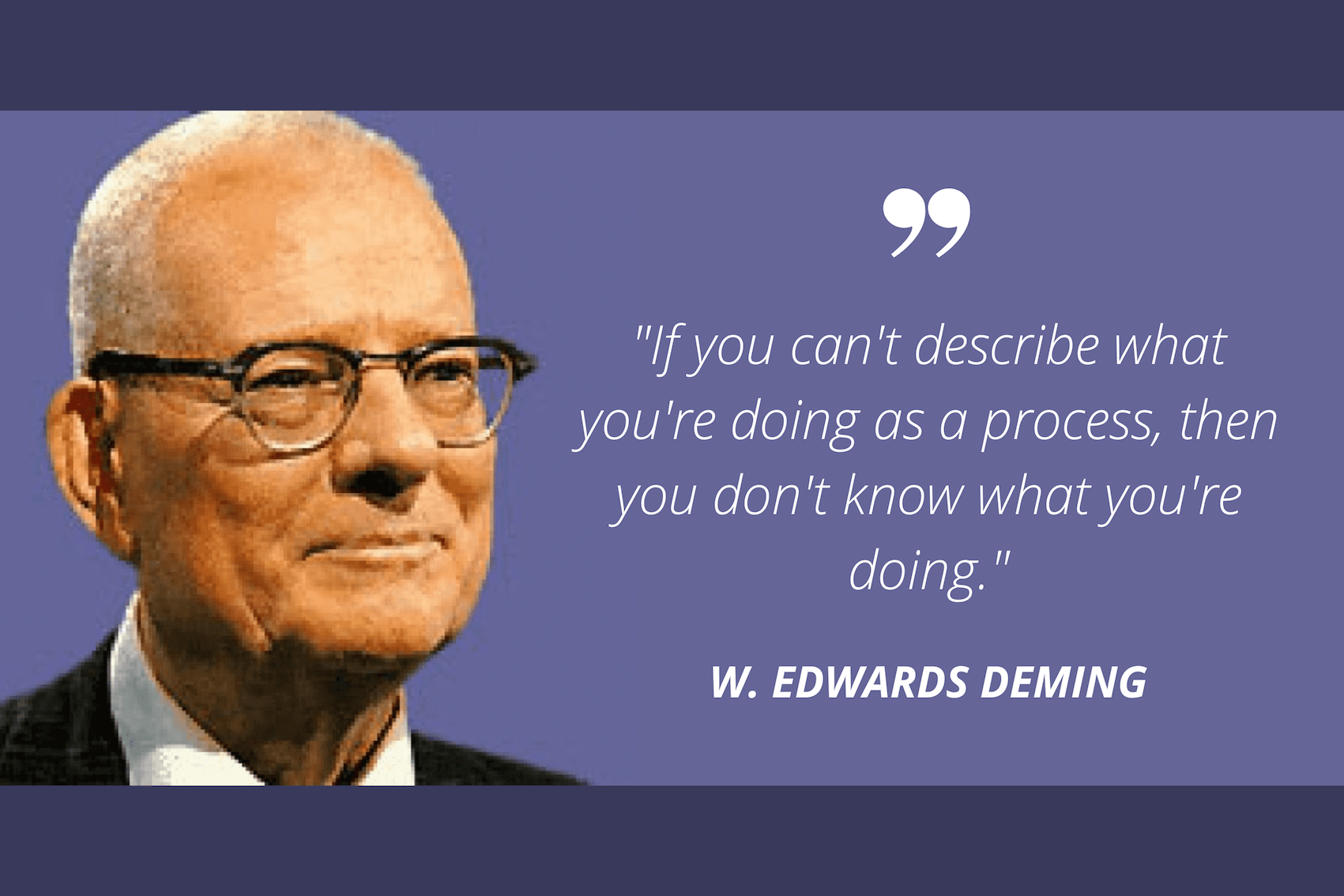
Deming’s philosophy was that continuous quality improvement was the key to business success. He believed quality should be built into the product or service from the start rather than inspected afterward. Deming’s approach was based on the idea that quality is not an outcome but a process that needs to be continuously monitored and improved.
Deming’s ideas were adopted by Japanese manufacturers, who used them to improve their products’ quality and gain a competitive edge in the global market. The Deming Cycle, also known as the PDCA cycle, became a cornerstone of the Japanese manufacturing philosophy and was later adopted by businesses worldwide.
Understanding the PDCA Cycle
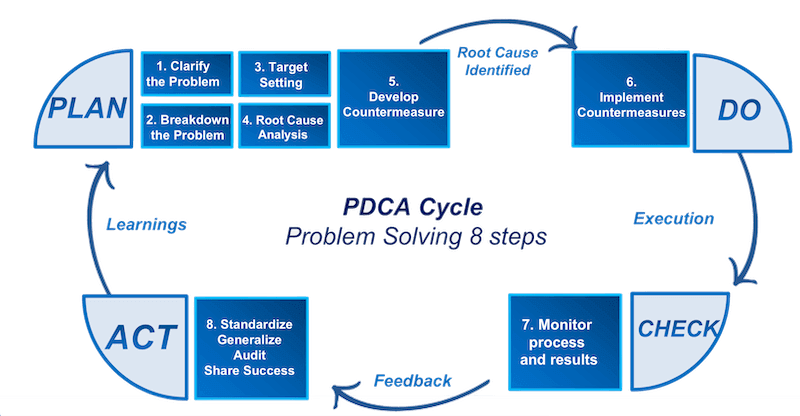
The PDCA cycle is a continuous improvement process that involves four stages: Plan, Do, Check, and Act.
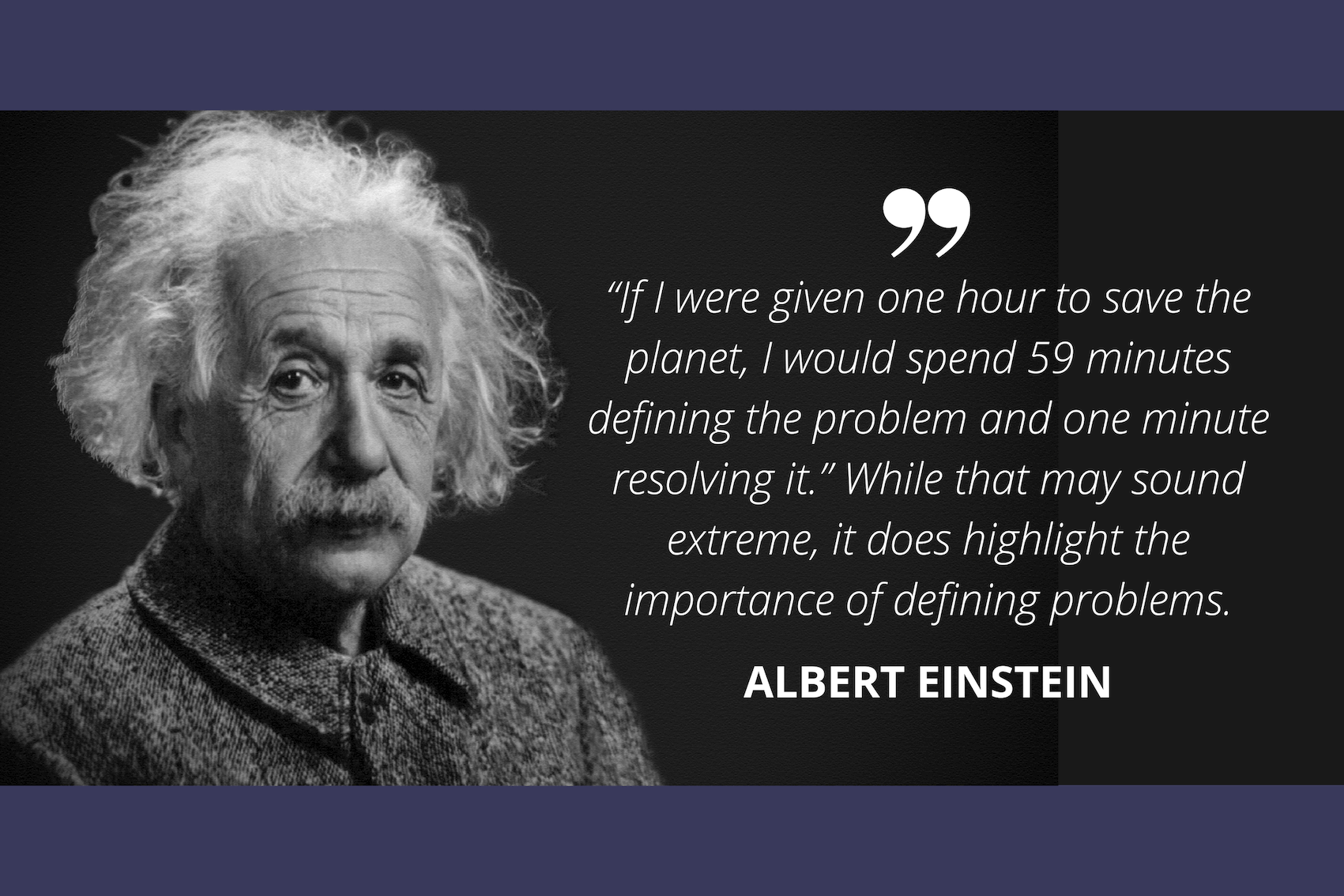
The first stage, Plan, involves identifying the problem, defining the goals, and developing a plan to solve the problem. In this stage, gathering data and finding the root cause of the problem will be critical to creating a practical solution or just a temporary pain killer.
The second stage, Do, involves implementing the plan developed in the first stage. This stage is where the solution is put into action. It is crucial to ensure that the implementation process is carried out correctly and that the solution addresses the root cause of the problem.
The third stage Check, involves monitoring and evaluating the results of the solution implemented in the second stage. In this stage, it is essential to measure the solution’s effectiveness and determine if it has addressed the root cause of the problem.
The fourth stage, Act, involves taking action based on the results obtained in the Check stage. If the solution is found to be effective, it can be standardized and implemented across the organization. If the solution is not effective, the process returns to the Plan stage, and the cycle repeats.
Benefits of Using PDCA for Problem-Solving
The PDCA cycle has many benefits for organizations that use it for problem-solving. Some of the benefits include:
The A3 Problem-Solving Methodology
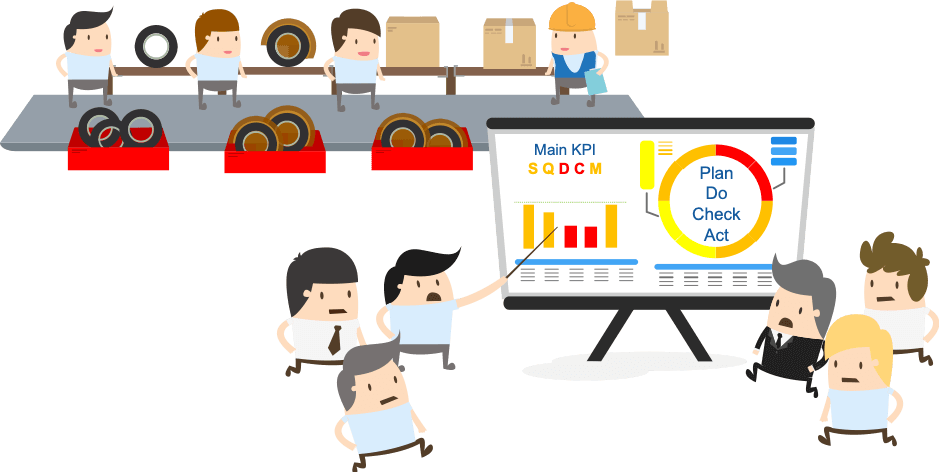
The A3 problem-solving methodology is a structured problem-solving approach using the PDCA cycle. The “A3 method” is named after Toyotas’ approach to use A3 sized paper to document the problem-solving process, which provides enough space to write the entire problem-solving process.
Common Challenges When Implementing PDCA
Implementing the PDCA cycle in an organization can be challenging. Some common challenges include:
Tips for Effective PDCA Implementation
Many resources are available for learning and implementing the PDCA cycle in your organization. Some of these resources include:
Books and articles: Many books and articles are available that provide information
The Importance of Using PDCA for Business Success
If you want to know more about how to deploy the PDCA approach, we invite you to join our Problem-Solving Workshop.
What is the PDCA Cycle?
The PDCA cycle is a process-improving method that involves a continuous loop of planning, doing, checking, and acting. Each stage of the PDCA, meaning the Plan-Do-Check-Act, cycle contributes to the goal of identifying which business processes work and which of them need further improvement. This methodical approach is also utilized to avoid recurring mistakes and errors in operations.
The PDCA cycle was first introduced by Dr. Walter Andrew Shewhart in 1939. It was then further developed by Dr. William Edwards Deming in the 1950s to help organizations achieve progressive improvements and monitor the quality of changes in their processes. This cycle—also dubbed the Deming Wheel—has since been a widely used strategy tool for businesses and organizations across all industries.
This process-improvement model is best characterized as a continuous loop where the cycle is restarted if one of the elements in the implemented change is found to be ineffective and repeated over and over until the most desired outcome is reached.
Stages of PDCA
The PDCA process consists of four stages (also known as the PDCA steps): Plan, Do, Check, and Act. It aims to solve problems and methodically implement change. So, what is the role of each stage in the whole cycle?
First, note that this stage is the backbone of the whole cycle so you have to be as comprehensive and as detailed as possible.
Specifically describe the problem to be solved and state why it is important to be addressed. Discuss objectives and create Smart, Measurable, Achievable, Relevant, and Time-bound (SMART) goals that your team members and relevant stakeholders agree upon. Aside from that, the end of this stage should materialize in a comprehensive plan answering information-building questions such as:
Essentially, all elements factoring in the project should be stated and planned at this stage before moving on to the next.
Since you’ve identified potential solutions to the problem in the first stage—”Do” is the part where you’ll execute them. Apply the changes but only on a small scale or controlled environment such as specific department, project, or with just a particular demographic.
This is to ensure that if ever the changes were ineffective or if they resulted in a negative impact to your process or business, there won’t be much damage to deal with and minimal resources were used.
After the initial testing, gather all the relevant data to show if the recognized potential solutions worked or not.
This is the analysis stage—with your data from the previous stage, evaluate the effectiveness of the implemented solutions. Compare them to the success criteria included in the planning stage.
Assess if the result is already satisfactory and the solutions are already working according to the objective, or if they need further improvements to achieve the overall goal.
If further adjustments are needed, go back to the first stage—Plan—and try other alternatives that you think could work to solve the problem. If it’s considered a success, however, you can now proceed to the next stage, Act.
Once you’ve recognized the effectiveness of the solutions, “Act” is the stage where you’ll fully implement them as part of your business process.
The PDCA method is a simple yet powerful tool that gives you the option to repeat the cycle if you think that the solutions can still be improved. In some cases, you may need to go through the four stages again if there are factors or changes that could affect the way the implemented solutions work.
Importance of Plan Do Check Act Cycle
The PDCA cycle is one of the widely used methods of monitoring quality management systems and is applicable to international standards such as ISO 22301, ISO 9001, ISO 45001, and ISO 27001. It allows organizations to gather relevant information and use it as a well-grounded basis before deciding whether to proceed with the plan or improve it further. Through this data-driven method, organizations can work to continuously improve their processes, products, and services.
The continuous approach of PDCA also offers time-saving opportunities by catching mistakes early on in the project. This helps strengthen the efficiency of the cycle and eliminates ineffective elements until an ideal solution is identified.
Furthermore, the PDCA cycle is versatile—it can be used across all industries, by big businesses, and even by specific teams or departments within a company.
Explore our Free PDCA Templates
See how digital checklists simplify business processes with just a tap.
PDCA Example
Below is an example of how to use the PDCA cycle:
Scenario: An auto supply company is experiencing customer service issues caused byproduct shipping delays. The supply chain manager chose the PDCA method to identify solutions and avoid the occurrence of the same setback in the future.
PlanIdentify the problem:Three customers experienced a two-week delay before receiving the products they ordered from us. Two of them ordered a box of side-view mirrors, while the other one ordered five new batteries.The objective of this cycle is to understand what caused the delay and to avoid it from happening again and prevent our customers from having a bad experience.
Observe:Because of this, we received a complaint from the customers saying the delay also caused a setback in their operations. We gave the customers a huge discount to compensate for what happened. No bad reviews (so far).
Analyze: We did an investigation and discovered that the cause of the hold up was an unexpected delay from our supplier for the specified vehicle parts. Our supplier’s facility is situated in Texas and was recently hit with a strong cyclone, which also interfered with their production.
Action Plan:The main action plan for this is to find an alternative supplier that can provide us with the mentioned products in case something like this happens again or in case of emergencies.Aside from the price to be negotiated and considered, ensure that the alternative suppliers would not be from the same area as our primary supplier.We should be able to find and identify a secondary supplier by the end of March this year.It would be even better if we can get a third supplier also from our shortlist last year so we are assured that we have good security in our supply system.
DoExecute:We’ve sent out a Request for Proposal (RFP) to possible alternative suppliers and filtered out the options based on our set requirements.
CheckVerify:We weren’t able to find a tertiary supplier yet, but we’ve identified a secondary supplier by the second week of March, and ahead of our scheduled deadline.The secondary supplier is from Michigan as well, so transportation of the products won’t be too difficult in case of emergencies.
ActStandardize:Now that we were able to solve this problem using this solution, let’s fully implement it across our other products. Find alternatives and take into consideration the factors specified in this cycle.
Based on the use of the PDCA cycle done to solve the existing problem, the solution identified and implemented was effective. The auto supply company now has a fallback in case a delay in the production is observed. They would also be able to prevent instances like this from affecting their own customers, which is the main goal of the plan.
Monitor PDCA Cycle with SafetyCulture (formerly iAuditor)
The PDCA cycle involves a lot of information, changes, and updates per use. It should be streamlined for easy tracking and to serve its documentation purpose through storing all of the relevant data in one accessible space.
Try SafetyCulture for free!
In today’s dynamic working world, it is crucial for companies and organizations to continuously develop and constantly optimize their processes. A proven tool that is particularly suitable for this purpose is the Plan-Do-Check-Act cycle, also known as the PDCA cycle or Deming cycle. Developed by the renowned statistician and quality management expert Dr. W. Edwards Deming, this cycle has become a cornerstone of effective management systems and continuous improvement.
Where did the idea of the PDCA cycle come from?
The idea of the PDCA cycle dates back to the 1930s and was developed by American physicist Walter Andrew Shewhart. Even then, he used it as a tool to continuously improve the quality of output in companies by repeatedly applying the four-phase process.
Definition of the PDCA cycle
The PDCA cycle is also known as the Deming Circle, Deming Wheel, or Shewhart Cycle. The four-stage control loop is an essential tool in the continuous improvement process (CIP) and supports the optimization of products and services as well as the root cause analysis. It consists of the phases Plan, Do, Check, and Act.
Sequence of the PDCA cycle
The first step is to analyze the status quo of an identified problem area, such as a process. This is done on a cross-departmental basis to identify potential and define sources of error. Based on this, the desired target state, metrics and actions to achieve the defined process goal are formulated.
The goal is to compare the results of the actions with the targets and to review and analyze the optimized process. This requires all employees to function as actors and observers. If necessary, the measures can or must be adjusted.